
"German nutrition research"
60 article(s) found

Coffee healthy drinking coffee does not increase the risk of chronic diseases
Drinking coffee does not increase the risk of chronic diseases such as heart disease or cancer, but helps reduce the risk of type 2 diabetes, according to a 10-year study of more than 40,000 people. The study, published recently in the American Journal of Clinical Nutrition, said the results of previous studies were quite divergent, with some suggesting that coffee drinking was associated with heart disease
Fine coffee healthy drinking coffee does not increase the risk of chronic diseases
Drinking coffee does not increase the risk of chronic diseases such as heart disease or cancer, but helps reduce the risk of type 2 diabetes, according to a 10-year study of more than 40,000 people. The study, published recently in the American Journal of Clinical Nutrition, said the results of previous studies were quite divergent, with some suggesting that coffee drinking was associated with heart disease

Drinking coffee does not increase the risk of chronic diseases coffee health knowledge
Drinking coffee does not increase the risk of chronic diseases such as heart disease or cancer, but helps reduce the risk of type 2 diabetes, according to a 10-year study of more than 40,000 people. The study, published recently in the American Journal of Clinical Nutrition, said the results of previous studies were quite divergent, with some suggesting that coffee drinking was associated with heart disease
Coffee healthy life drinking coffee does not increase the risk of chronic diseases
Drinking coffee does not increase the risk of chronic diseases such as heart disease or cancer, but helps reduce the risk of type 2 diabetes, according to a 10-year study of more than 40,000 people. The study, published recently in the American Journal of Clinical Nutrition, said the results of previous studies were quite divergent, with some suggesting that coffee drinking was associated with heart disease

10 Secrets about Taste Coffee Basics
Have you ever studied the taste distribution map? Sweet taste buds at the tip of the tongue; bitter taste buds at the root of the tongue; sour taste buds on both sides? In fact, this is completely wrong. The root of the misinformation lies in the fact that when someone translated the German research report into English, the translator himself misunderstood it. The truth is: you can taste everything in every part of the tongue, although the sensitivity may be different. [the fifth feeling]

10 Secrets of Fine Coffee about Taste
Have you ever studied the taste distribution map? Sweet taste buds at the tip of the tongue; bitter taste buds at the root of the tongue; sour taste buds on both sides? In fact, this is completely wrong. The root of the misinformation lies in the fact that when someone translated the German research report into English, the translator himself misunderstood it. The truth is: you can taste everything in every part of the tongue, although the sensitivity may be different. [fifth feeling] the crowd

Top 10 Taste Secrets of Fine Coffee tasting
Have you ever studied the taste distribution map? Sweet taste buds at the tip of the tongue; bitter taste buds at the root of the tongue; sour taste buds on both sides? In fact, this is completely wrong. The root of the misinformation lies in the fact that when someone translated the German research report into English, the translator himself misunderstood it. The truth is: you can taste everything in every part of the tongue, although the sensitivity may be different. [fifth feeling] the crowd
Coffee common sense 10 little secrets about taste
[the translator is wrong] have you ever studied taste distribution map? Sweet taste buds at the tip of the tongue; bitter taste buds at the root of the tongue; sour taste buds on both sides? In fact, this is completely wrong. The root of the misinformation lies in the fact that when someone translated the German research report into English, the translator himself misunderstood it. The truth is: you can taste everything in every part of the tongue, although the sensitivity may be different. [regulation.

How many chemicals are there in a cup of coffee
Coffee flavor chemistry has been studied for more than 200 years. Researchers have been committed to the separation and identification of coffee flavor substances. At present, more than 1000 coffee flavor substances have been reported. People can smell the aroma of coffee, because of the volatility of chemical molecules, the flavor of these chemical molecules is combined to form the taste of coffee. Swiss Federal University of Technology
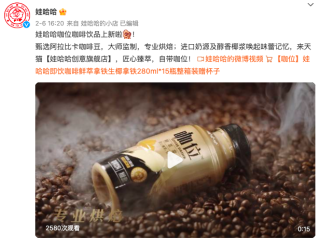
Wahaha late, can you get a piece of the coffee market?
AD calcium milk has become a generation of childhood memories, purified water is the laboratory standing experimental water, there are code members favorite nutrition express, these are Wahaha popular products. On February 6, Wahaha launched the ready-to-drink coffee drink "Coffee Position", once again fighting the ready-to-drink coffee market. Zaiwahaha Guan

What are the "chemical" ingredients in a cup of coffee?
The taste is delicious and fragrant. As can be seen from the advertising words of coffee, flavor is the soul of coffee. Recently, "Coffee Flavor Chemistry", co-written by Dr. Zeng Fankui of Lanzhou Institute of Chemical Physics of Chinese Academy of Sciences and Professor ou Shiyi of Food Department of Jinan University, was published by Jinan University Publishing House. This is the first academic monograph on coffee processing in China. Set
Coffee Flavor Chemistry the first academic monograph on coffee processing in China Coffee Book
The taste is delicious and fragrant. As can be seen from the advertising words of coffee, flavor is the soul of coffee. Recently, "Coffee Flavor Chemistry", co-written by Dr. Zeng Fankui of Lanzhou Institute of Chemical Physics of Chinese Academy of Sciences and Professor ou Shiyi of Food Department of Jinan University, was published by Jinan University Publishing House. This is the first academic monograph on coffee processing in China. Set
Coffee by-product development in various countries
Recently, Belgium has made a material from the pulp of a new variety of white coffee. Its composition is the same as ordinary coffee, but it is milky white, easy to digest and absorb, and has a variety of health functions. The creators have not only broadened the use of waste pulp, but have also used this material to make coffee soda, which is suitable for athletes and people with indigestion. Not long ago, Japan's new century food

Tasting knowledge of Fine Coffee
Rumor: the specific area of the tongue specializes in a sense of taste, the tip of the tongue is the most sensitive to sweetness, the root of the tongue is the most sensitive to bitterness, and both sides of the tongue are responsible for tasting sour and salty taste. This is what people often call a taste map. The plausible truth of taste map: the theory of taste map has been around for decades. In fact, the cells that distinguish all kinds of taste exist in every taste bud.

Countries use coffee by-products to develop drinks
Recently, Belgium has made a material from the pulp of a new variety of white coffee, which has the same ingredients as ordinary coffee, but milky white, easy to digest and absorb, and has a variety of health functions. The creators have not only broadened the utilization of waste pulp, but also used this raw material to make coffee soda, which is quite suitable for athletes and people with indigestion. Not long ago, Japan's New Century Food

Countries use coffee by-products to develop drinks
Recently, Belgium has made a material from the pulp of a new variety of white coffee, which has the same ingredients as ordinary coffee, but milky white, easy to digest and absorb, and has a variety of health functions. The creators have not only broadened the utilization of waste pulp, but also used this raw material to make coffee soda, which is quite suitable for athletes and people with indigestion. Not long ago, Japan's New Century Food

Health drinks are in vogue! "Flash Fox bulletproof Coffee" launches single explosive products and customized channels for sale.
Professional coffee knowledge exchange more coffee bean information Please follow the coffee workshop (Wechat official account cafe_style) and consumers pay attention to the health of drinks. The market for carbonated drinks with high sugar, high calories and low nutrition, represented by Cola, has declined. On the other hand, a new generation of healthy drinks with low sugar, no new and natural ingredients have ushered in a rising space. Recently 36 krypton hair
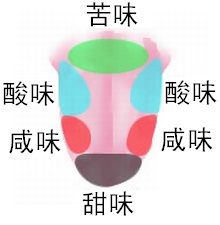
Taste map in the tongue of coffee tasting guide
A specific area of the tongue specializes in a sense of taste, the tip of the tongue is the most sensitive to sweetness, the root of the tongue is the most sensitive to bitterness, and both sides of the tongue are responsible for tasting sour and salty taste. This is what people often call a taste map. The plausible truth of taste map: the theory of taste map has been around for decades. In fact, the cells that distinguish all kinds of taste exist in every taste bud, and the taste buds exist in
Coffee tasting related: is there really a "taste map"?
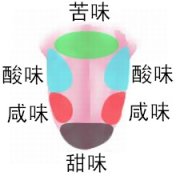
A specific area of the tongue specializes in a sense of taste, the tip of the tongue is the most sensitive to sweetness, the root of the tongue is the most sensitive to bitterness, and both sides of the tongue are responsible for tasting sour and salty taste. This is what people often call a taste map. The plausible truth of taste map: the theory of taste map has been around for decades. In fact, the cells that distinguish all kinds of taste exist in every taste bud, and the taste buds exist in